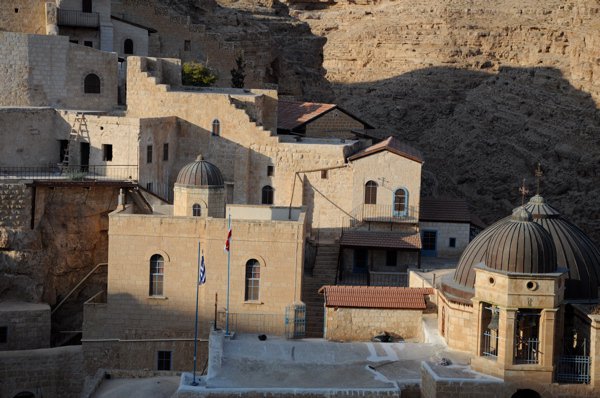
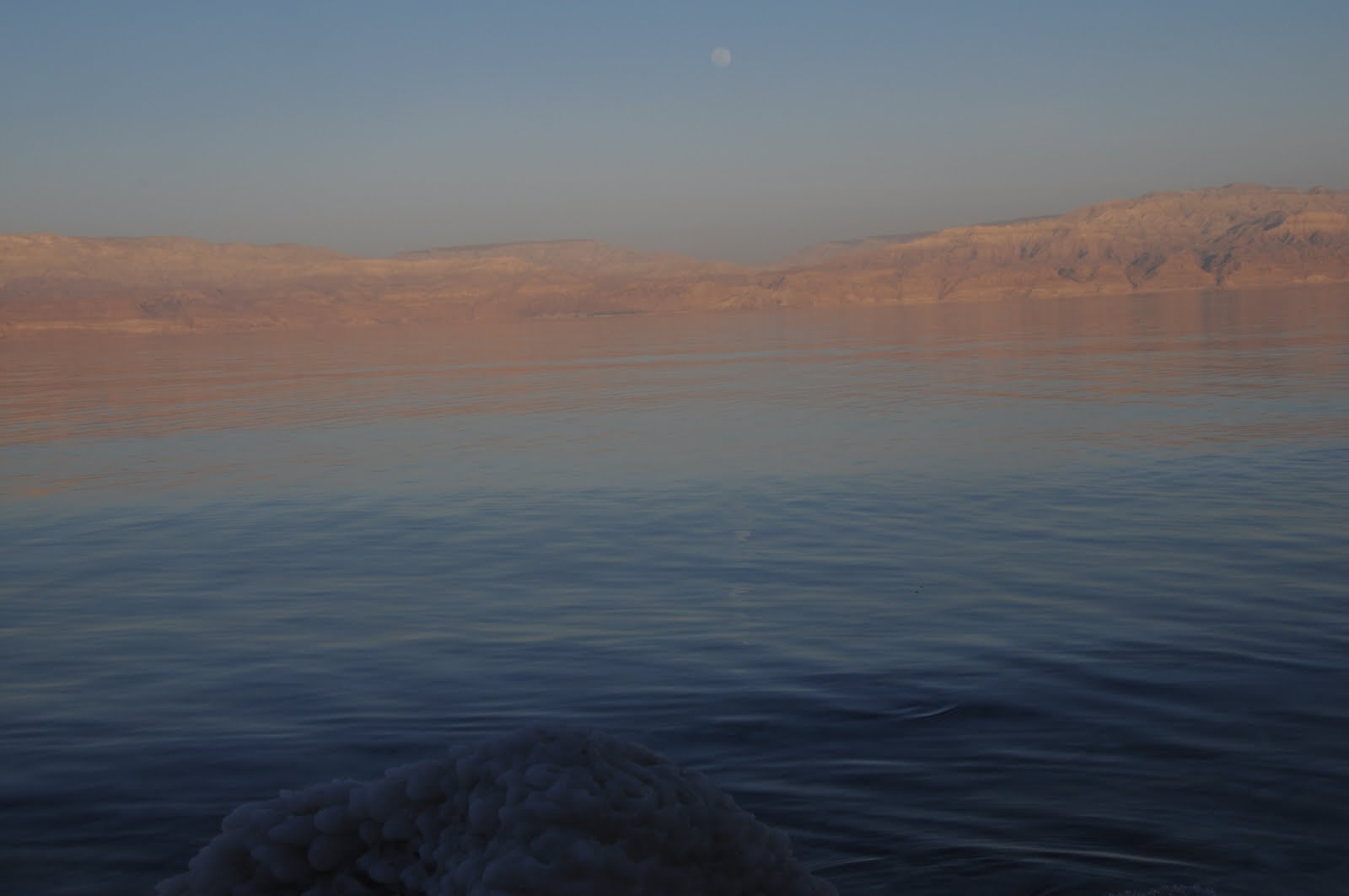
On Sunday (15.05.2011) I went to see Martha in Silwan - she is staying with Palestinian friends right inside the City of David...It was Naqba day...this is the scenery on the way...


Somehow the crusaders have started a tradition, which completely ruins any romantic notion about knighthood...

And off they go to to restrain the heathens...

And here comes Martha to guide me to her hosts.

A nice place for patriotic concerts to the left,

and a fancy visitors center to the right.

Here you go up to the lookout, which is a popular place for all security agents...and tourists...

...then we pass the neighbours - apparently settlers from South Africa. There is greetings between them and their Palestinian neighbours, no further social contacts but no hostilities either.

Here's our wonderful friend in front of her house, making Freekeh (pic below). Her house is one of three Palestinian houses left in that location. One family has been expelled already. The house is hers, but it can only be passed on to family living in the house. So in case her son (or his kids) won't have children, the house cannot be inherited by other immediate family or anyone, but will fall to the state of Israel. The legal basis for this absurd practice is yet to be investigated. Will publish about it, as soon as I have managed to figure it out.


Freekeh.

The clashes at the Syrian and Lebanese boarders are on TV as we are indulging in our friend's stories, food and delicious coffee.

Next door, down below is the antique site which is assumed to be the remainders of the City of David - proof for that is yet to be found. Anyhow it is ancient ruins. Soldiers vow loyalty to their country here and get lectured about the - presumed - significance of the site for the Jewish people. Part of the preparation before their service in the territories. The program also includes visits to Yad Vashem. History as a key argument for the claim to this land and as one justification why it needs to be defended at any cost.

 Next door.
 The view - Silwan
The view - security cameras and Silwan

The view - Al Aqsa

One of the sons of the family aged 15, severely injured with knifes by settlers, when escaping from an egged bus, which he took to get home after an afternoon job. He was left to die in front of the King David Hotel in the time of the first intifada. His corps was not directly sent to the parents, but to Tel Aviv, where quite a few of his organs were harvested. The parents went to Tel Aviv to retrieve the body of their dead child for the funeral. The assassin (three settlers chased him, one finally attacked him with a knife), was app. 19 years old, so he was sentenced to 1, 5 years in jail. The Portrait is an original by Sliman Mansour. On thursday, 12th of May 2011, another kids (17) life was ended by force. The boy got shot in clashes with the IDF - apparently he had been throwing stones at police officers or soldiers. Without regarding this to be a constructive action, I am yet to understand why they need their guns against a stone throwing boy, who is unprotected, while they (IDF, police) are well protected with helmets, bullet proof vests, padded arm and leg protectors and heavy boots. Even the horses (this is the one sensible thing to me as the animals are really among the abused rather than being anything else) have helmets and other protective gear (see pic above). As an observer, I find it hard to comprehend.

On the way out.

Leaving.

Time to go home...


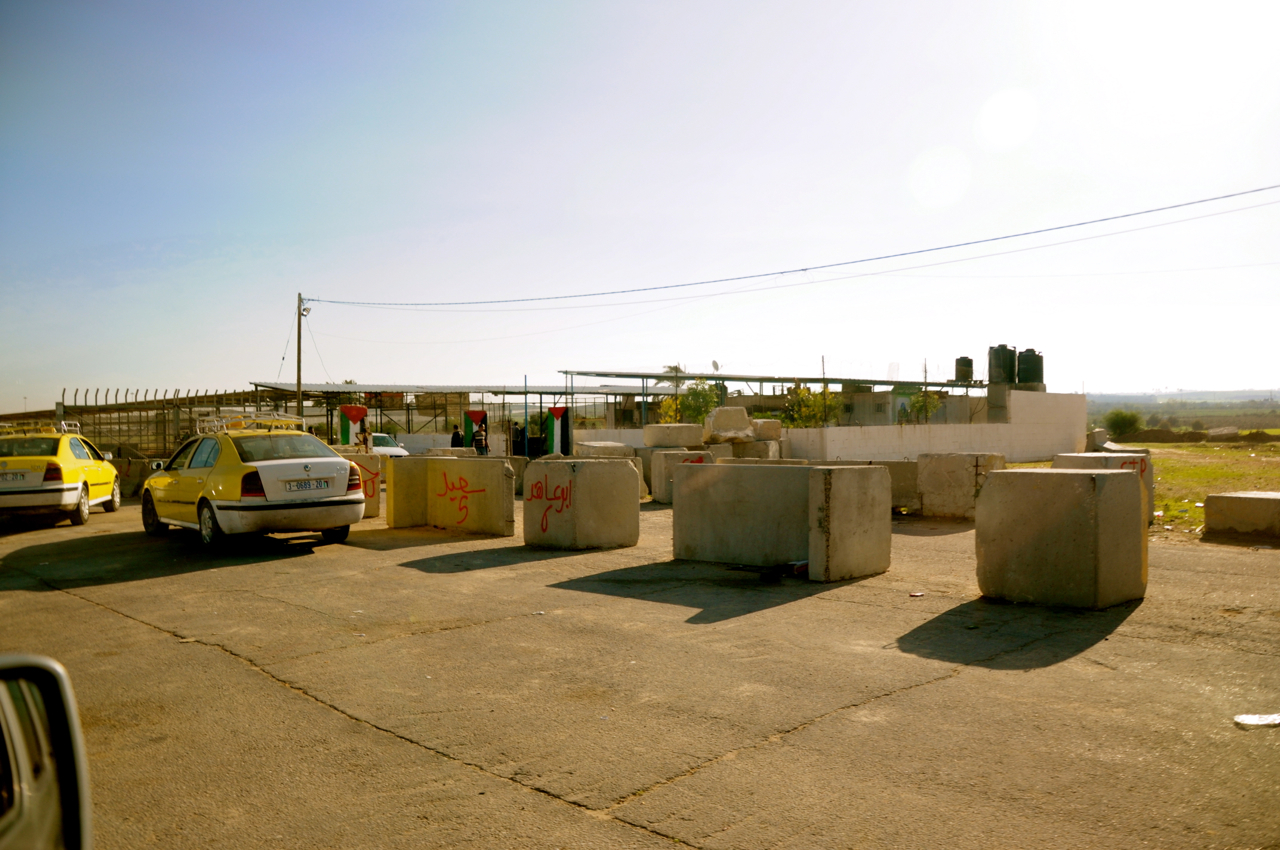


 On Sunday (15.05.2011) I went to see Martha in Silwan - she is staying with Palestinian friends right inside the City of David...It was Naqba day...this is the scenery on the way...

 Somehow the crusaders have started a tradition, which completely ruins any romantic notion about knighthood...
 And off they go to to restrain the heathens...
 And here comes Martha to guide me to her hosts.
 A nice place for patriotic concerts to the left,
 and a fancy visitors center to the right.
 Here you go up to the lookout, which is a popular place for all security agents...and tourists...
 ...then we pass the neighbours - apparently settlers from South Africa. There is greetings between them and their Palestinian neighbours, no further social contacts but no hostilities either.
 Freekeh.
 The clashes at the Syrian and Lebanese boarders are on TV as we are indulging in our friend's stories, food and delicious coffee.
 Next door, down below is the antique site which is assumed to be the remainders of the City of David - proof for that is yet to be found. Anyhow it is ancient ruins. Soldiers vow loyalty to their country here and get lectured about the - presumed - significance of the site for the Jewish people. Part of the preparation before their service in the territories. The program also includes visits to Yad Vashem. History as a key argument for the claim to this land and as one justification why it needs to be defended at any cost.
 Next door.
 The view - Silwan
 The view - security cameras and Silwan
 The view - Al Aqsa
 One of the sons of the family aged 15, severely injured with knifes by settlers, when escaping from an egged bus, which he took to get home after an afternoon job. He was left to die in front of the King David Hotel in the time of the first intifada. His corps was not directly sent to the parents, but to Tel Aviv, where quite a few of his organs were harvested. The parents went to Tel Aviv to retrieve the body of their dead child for the funeral. The assassin (three settlers chased him, one finally attacked him with a knife), was app. 19 years old, so he was sentenced to 1, 5 years in jail. The Portrait is an original by Sliman Mansour. On thursday, 12th of May 2011, another kids (17) life was ended by force. The boy got shot in clashes with the IDF - apparently he had been throwing stones at police officers or soldiers. Without regarding this to be a constructive action, I am yet to understand why they need their guns against a stone throwing boy, who is unprotected, while they (IDF, police) are well protected with helmets, bullet proof vests, padded arm and leg protectors and heavy boots. Even the horses (this is the one sensible thing to me as the animals are really among the abused rather than being anything else) have helmets and other protective gear (see pic above). As an observer, I find it hard to comprehend.
 On the way out.
 Leaving.
 Time to go home...